
What a Class B general contractor does in California
In California, any construction job of $1,000 or more (counting labor and materials), or any job that needs a building permit, requires a license from the Contractors State License Board (CSLB). Licenses come in classes. One of the most common for building and remodeling homes is the Class B General Building Contractor. This guide explains what that license covers, how to check one and what to ask before you sign a contract.
What a Class B contractor does
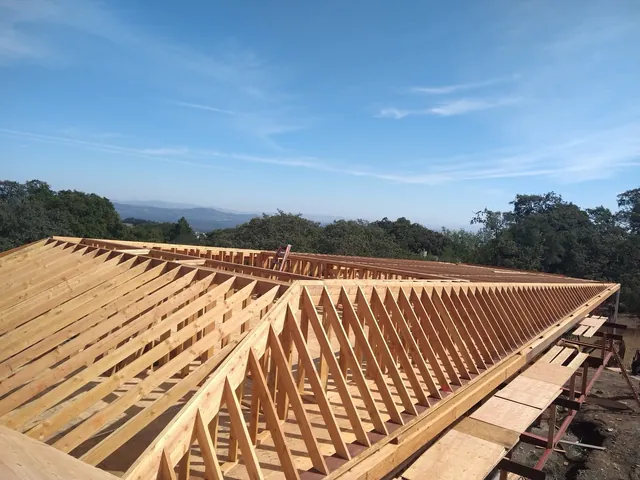
A Class B general building contractor works on buildings made for people, animals or property: houses, ADUs, additions, offices and stores. The license is built around projects that combine several trades. A typical Class B job brings framing or carpentry together with other work, such as concrete, drywall, plumbing, electrical, roofing and finishes.
The general contractor runs the whole job. That usually means:
- Working with the architect and the engineer so the plans can be built
- Pulling the building permit and scheduling the city inspections
- Hiring and scheduling the crew and any licensed subcontractors
- Ordering materials and keeping the job on budget
- Keeping the site safe and making sure the work matches the approved plans
What the Class B license does not cover
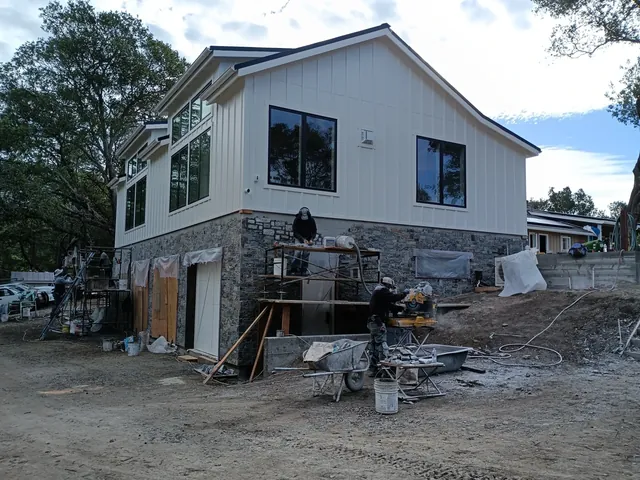
The Class B license has limits. Under CSLB rules, a Class B contractor generally cannot take a contract for a single specialty trade, such as only plumbing, only electrical or only heating and air, unless they also hold that specialty license or hire a subcontractor who does.
Framing and carpentry are the exception: a Class B contractor can take those jobs on their own. Some work, such as fire sprinkler systems and well drilling, always has to be done by a contractor with that specialty license.
This is why you may hear a general contractor say that painting, flooring or electrical work is done as part of a larger remodel, not as a stand-alone job.
How to check a license on cslb.ca.gov
Checking a license is free and takes a few minutes:
- Go to cslb.ca.gov and open the license check page (it is usually called “Check a License or HIS Registration”).
- Search by license number, business name or the name of a person on the license.
- Confirm that the license is active, and that the business name and address match the company you are talking to.
- Look at the classification. For a remodel or a new building, you want to see “B - General Building Contractor.”
- Check that a contractor bond is on file.
- Scroll down to see any complaints or legal actions on the record.
You can check GM Ironwood Construction Inc. this way with license number 1125088.
Questions to ask before you hire
A license is the starting point, not the whole story. Before you sign, ask:
- Can I see photos of similar projects you finished, and talk to past clients?
- Who draws the plans, and who does the structural engineering?
- Who pulls the permit, and who will be there for the inspections?
- Which parts of the job will your own crew do, and which will subcontractors do? Are they licensed too?
- Is the bid written and itemized, so I can see what each part costs?
- Who is my day-to-day contact, and how do I reach them?
- How do changes work if I want to add or remove something during the job?
- Do you carry general liability insurance, and can I see the certificate?
Other license classes you may hear about
California has other license classes too. A Class A contractor focuses on engineering work, such as roads, grading and large utility lines. Class C licenses cover single specialty trades, like electrical or plumbing. Since 2021 there is also a B-2 license for residential remodeling, for jobs on existing homes that combine at least three unrelated trades. For a new home, an ADU or a project that adds or changes structure, a Class B license is the usual fit.
What to expect from the first visit
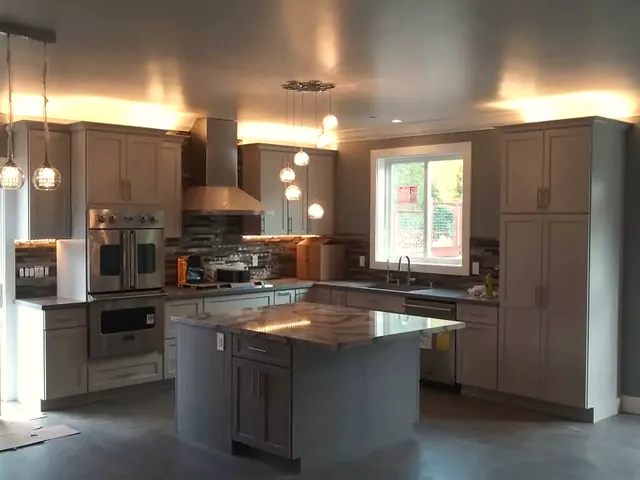
At the first meeting, a good general contractor asks more than they talk. They want to know how you use the space, what bothers you about it now and what the finished project looks like to you. They walk the site, note anything that could affect the price, such as access, slope or old work that may not meet code, and explain what happens next. After that, you should get a written, itemized bid.
Know the basics of a home improvement contract
California law sets rules for home improvement contracts. The contract must be in writing and include the contractor’s license number. For most home improvement jobs, the down payment cannot be more than $1,000 or 10% of the contract price, whichever is less. You also have the right to cancel within three business days after signing, and longer in some cases. The CSLB website explains these rules in plain language.
Working with GM Ironwood
GM Ironwood Construction Inc. is a Class B general building contractor based in Oakland, with CSLB license #1125088, and is licensed, bonded and insured. We work with our own architect and structural engineer, pull the permits and run the job from the site visit to the final walkthrough. Call (510) 479-2809 or request an estimate below.
This guide is general information, not legal advice. Confirm with the CSLB or your city.